One of the best decisions we made in Paris was actually one Teresa made before we ever left home: finding the right hotel.
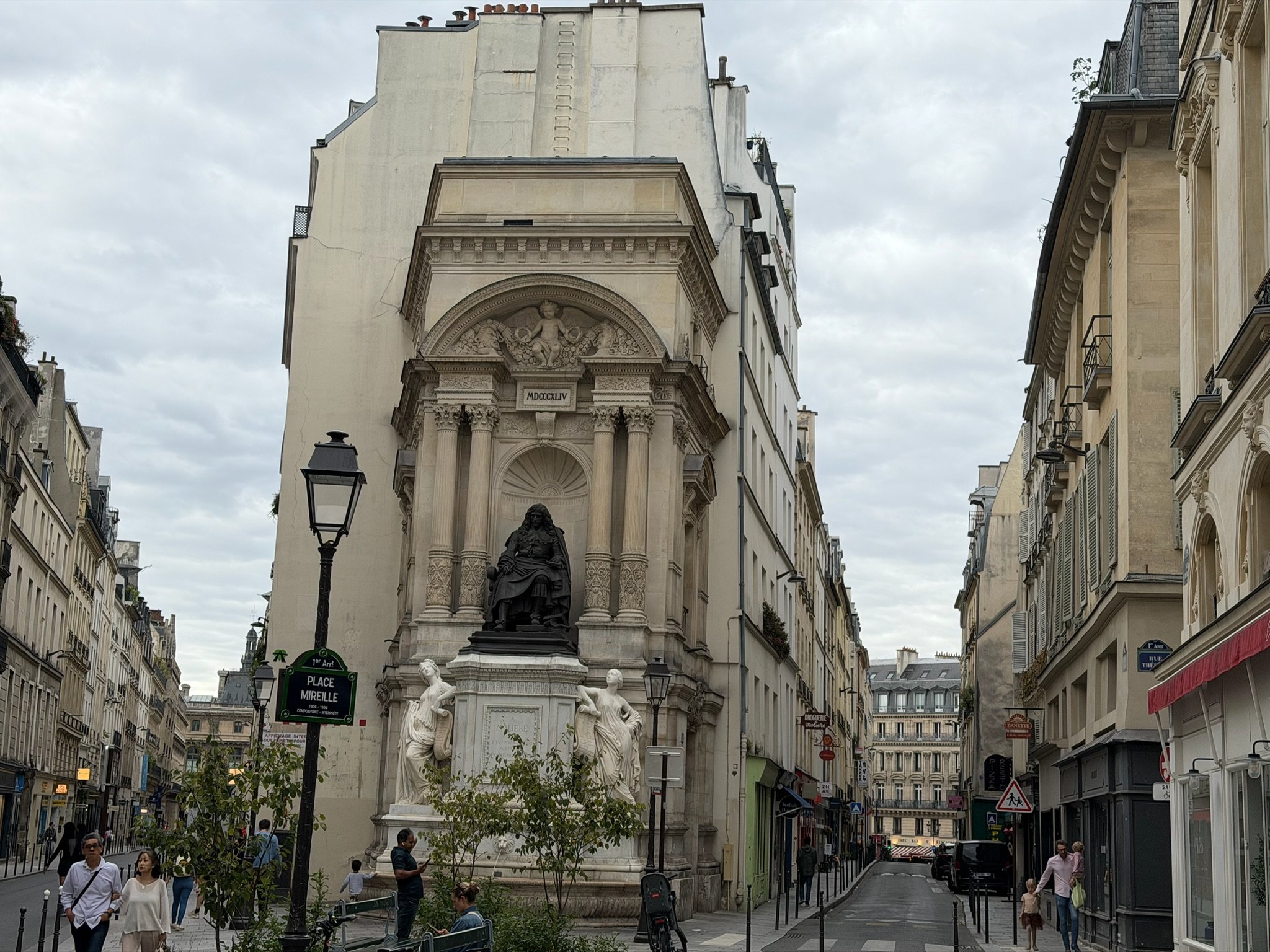
We stayed at the Hôtel Malte–Astotel, and its location was nearly perfect. We were only four or five blocks from the Louvre, within easy walking distance of the Seine, and surrounded by convenient public transportation. Metro stations and train connections made it possible to get pretty much anywhere we wanted without having to depend on taxis or rental cars.
And that's something I would strongly recommend to anyone planning a trip to Paris. Don't necessarily focus on finding the fanciest hotel or the least expensive room. Think about where you're going to spend your time and how you're going to get around. A well-located hotel can make an enormous difference in how you experience a city.
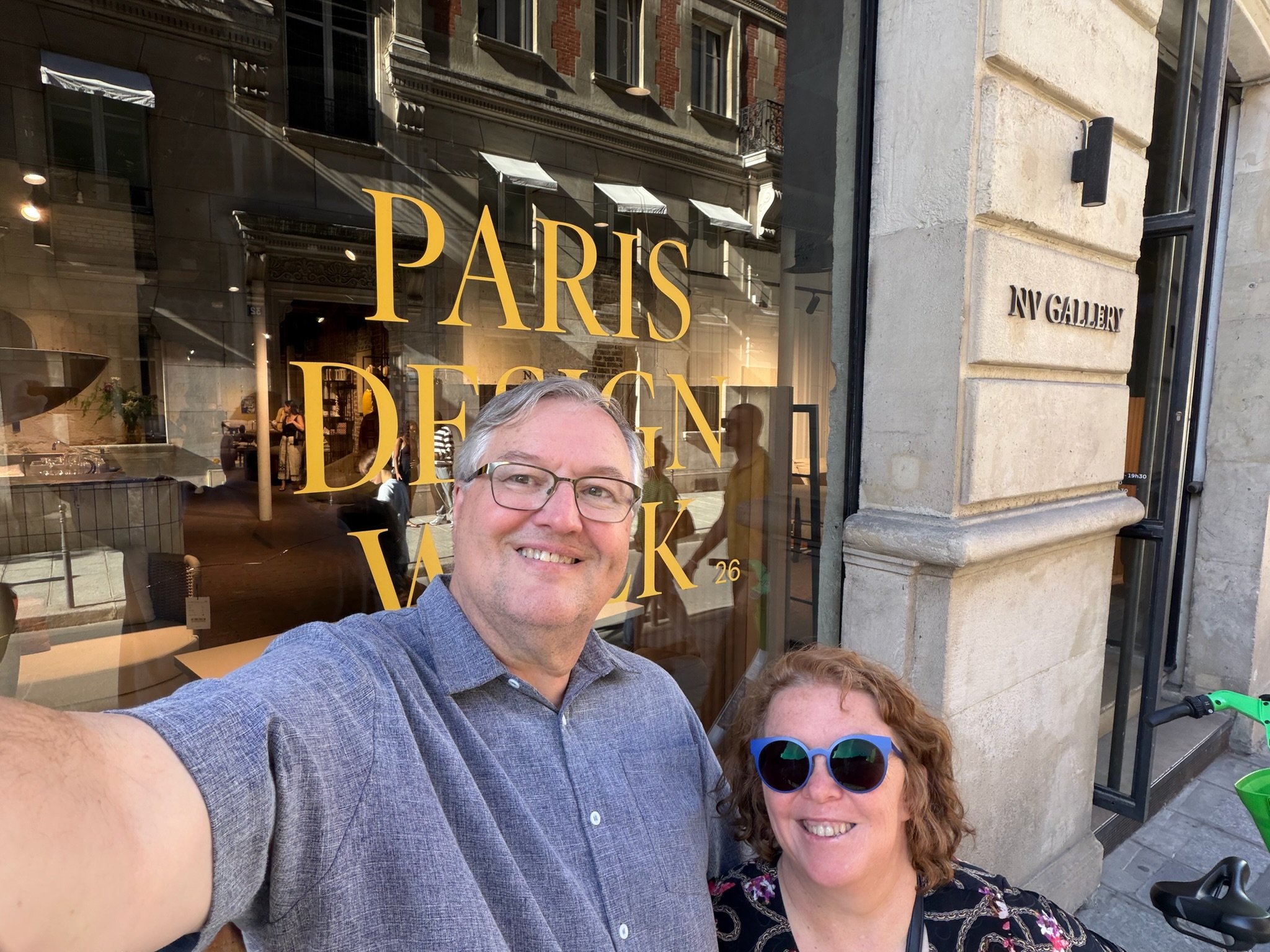
We also arrived in Paris without our checked luggage, which hadn't made our connection in New York. The airline gave us small travel kits, Teresa picked up a few essentials, and we set out to see the city while we waited for our bags to catch up. That would turn into a story of its own, but it didn't keep us from enjoying Paris.
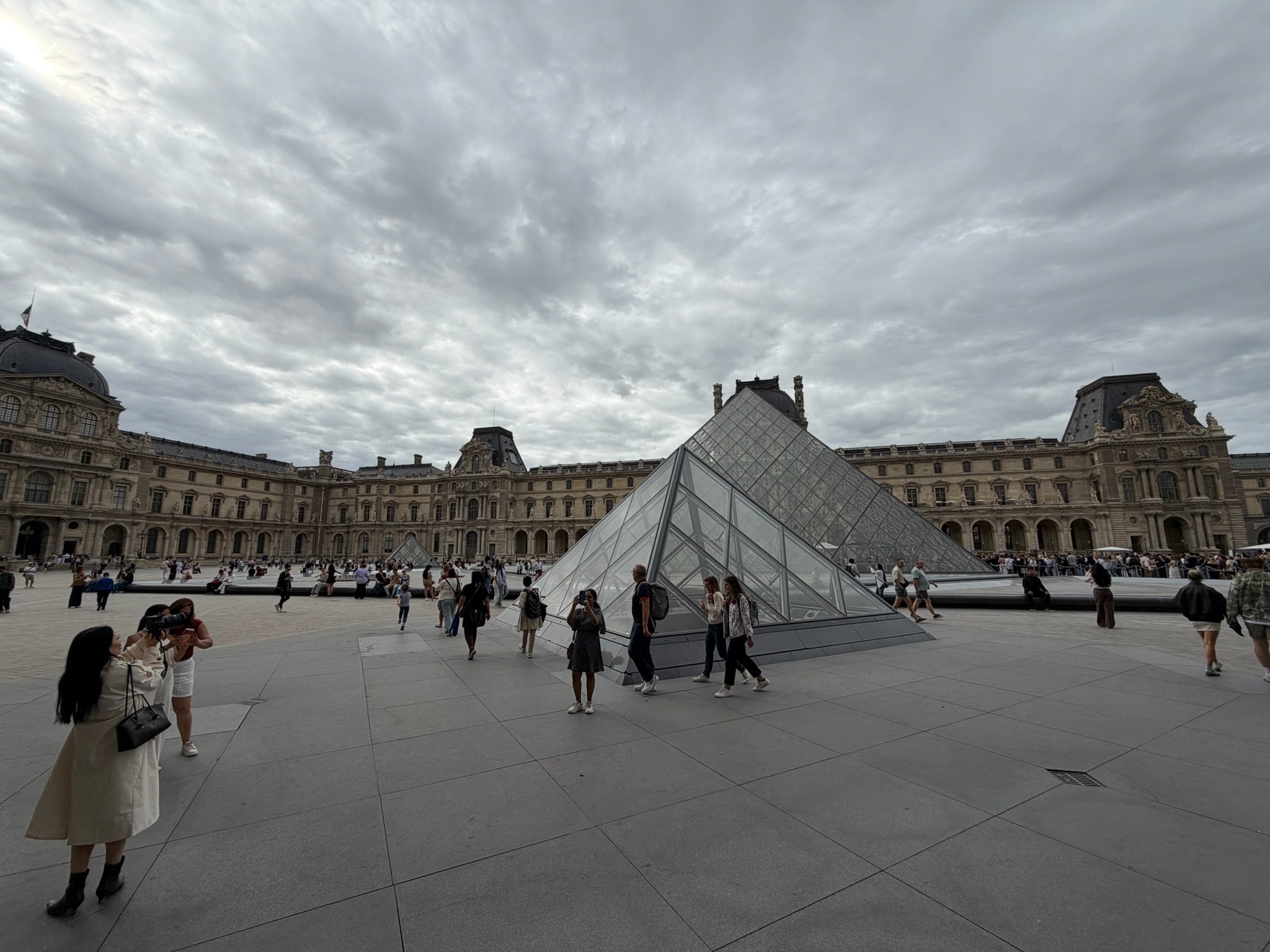
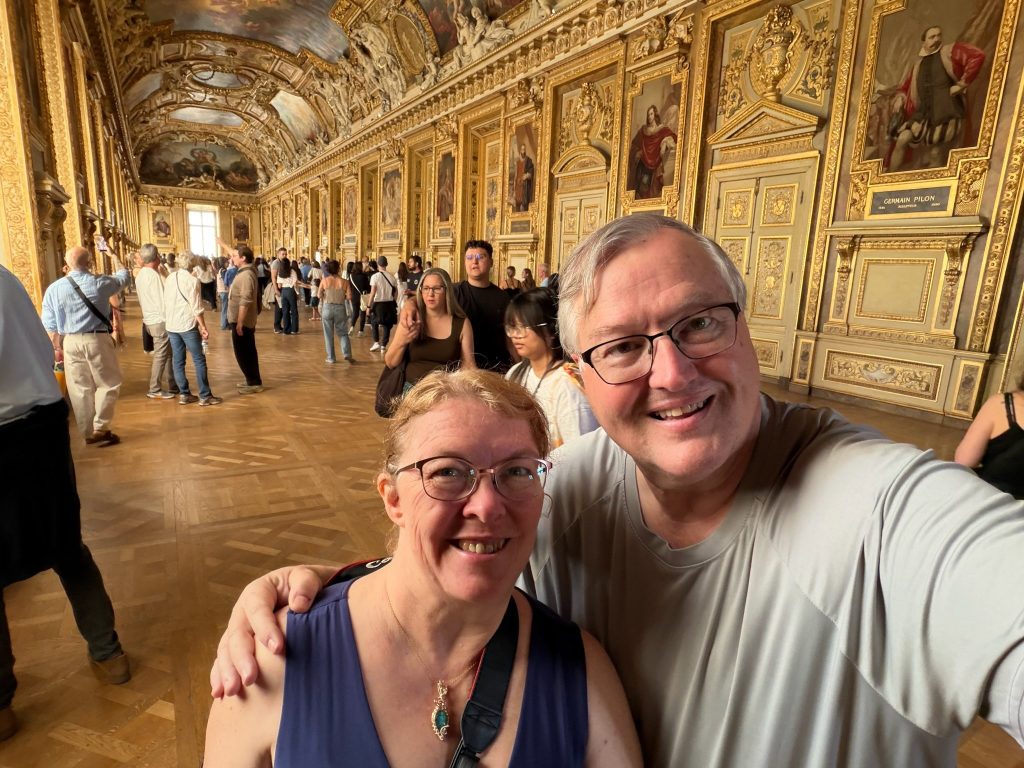
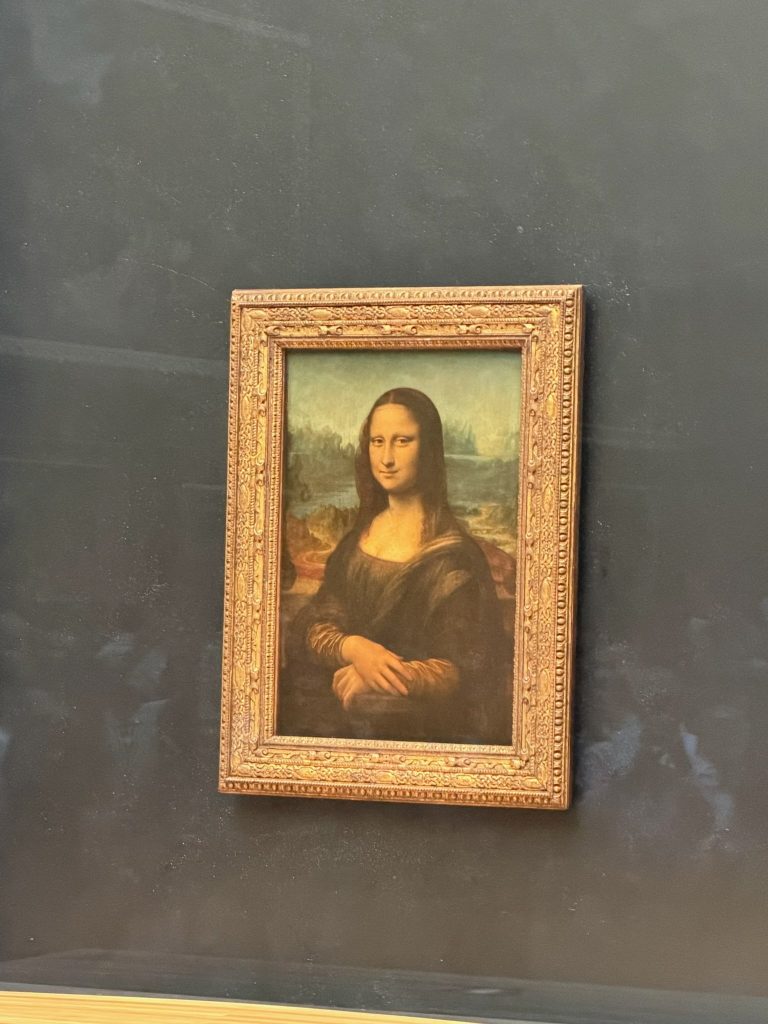
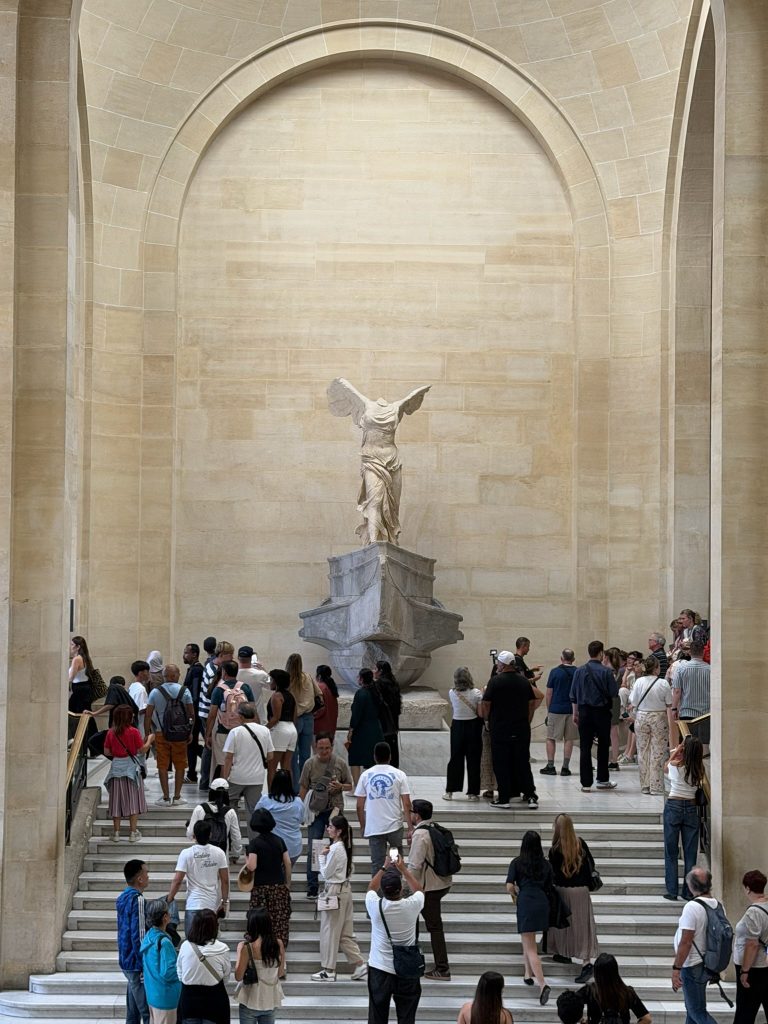
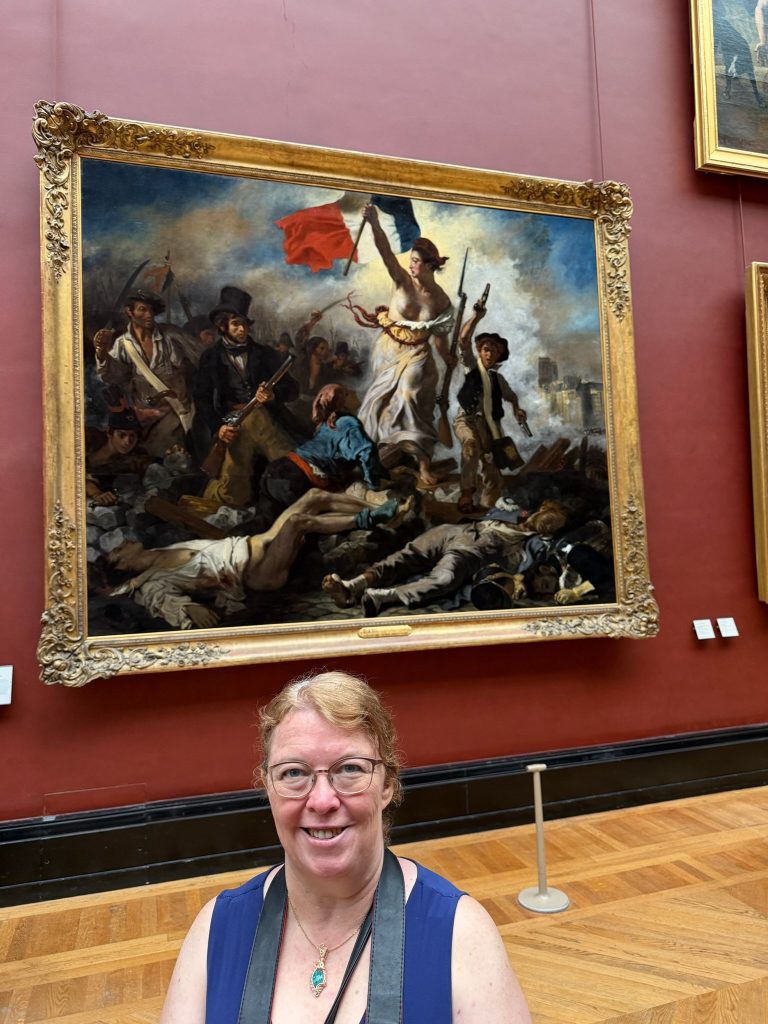
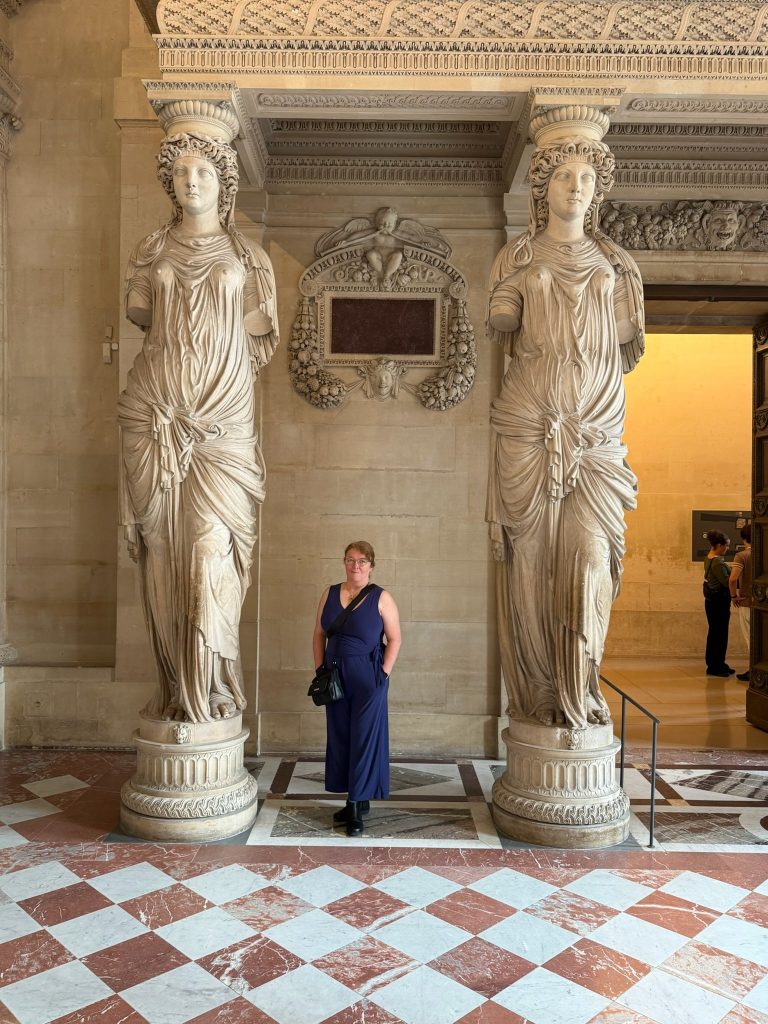
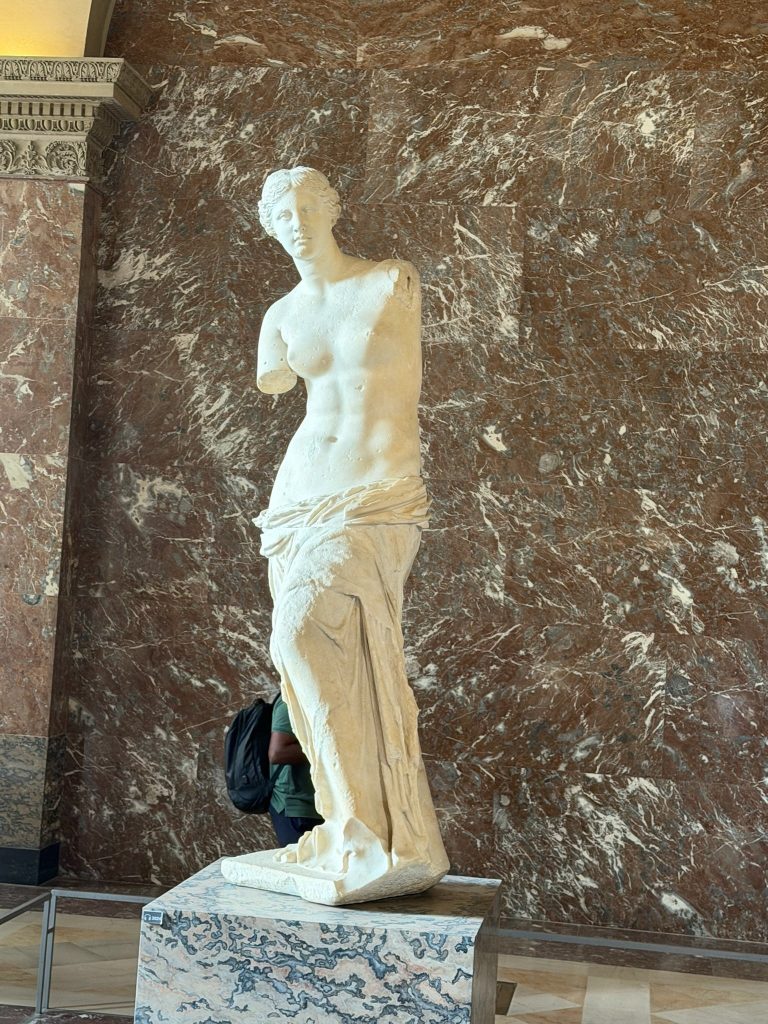
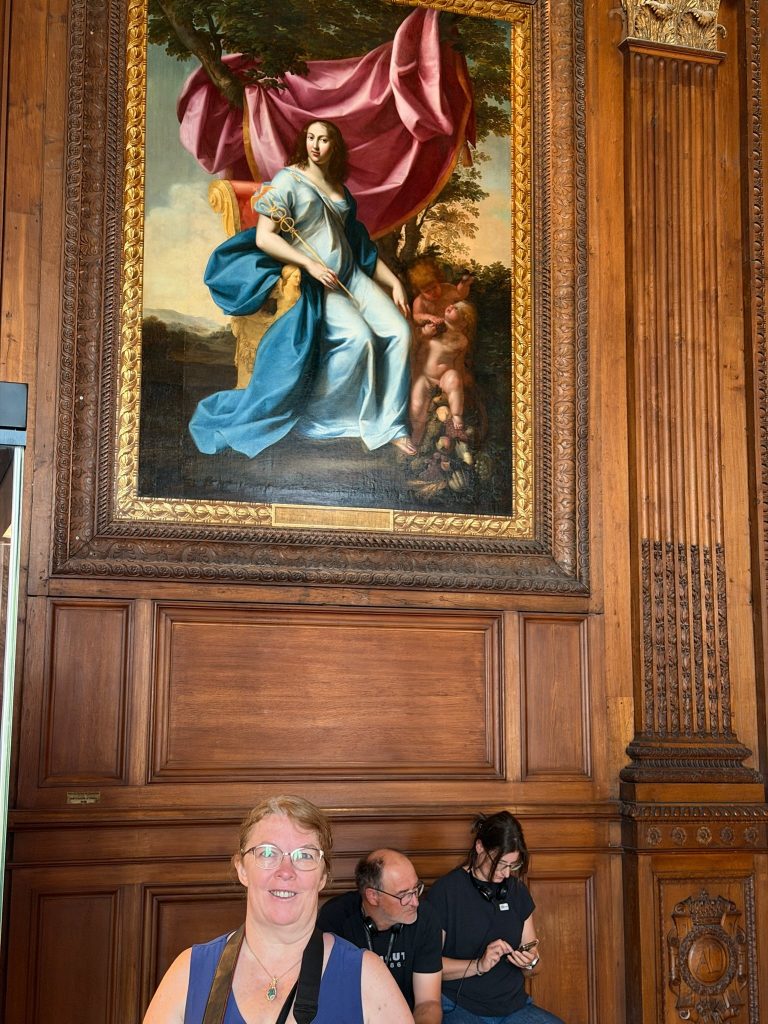
The Louvre was one of the more interesting places we visited, and not entirely for the reasons I expected.
Somehow, despite everything I'd read and heard about the Louvre over the years, I hadn't really appreciated that the building itself had once been a royal palace. The site began as a medieval fortress and evolved into a royal residence before eventually becoming the museum we know today.
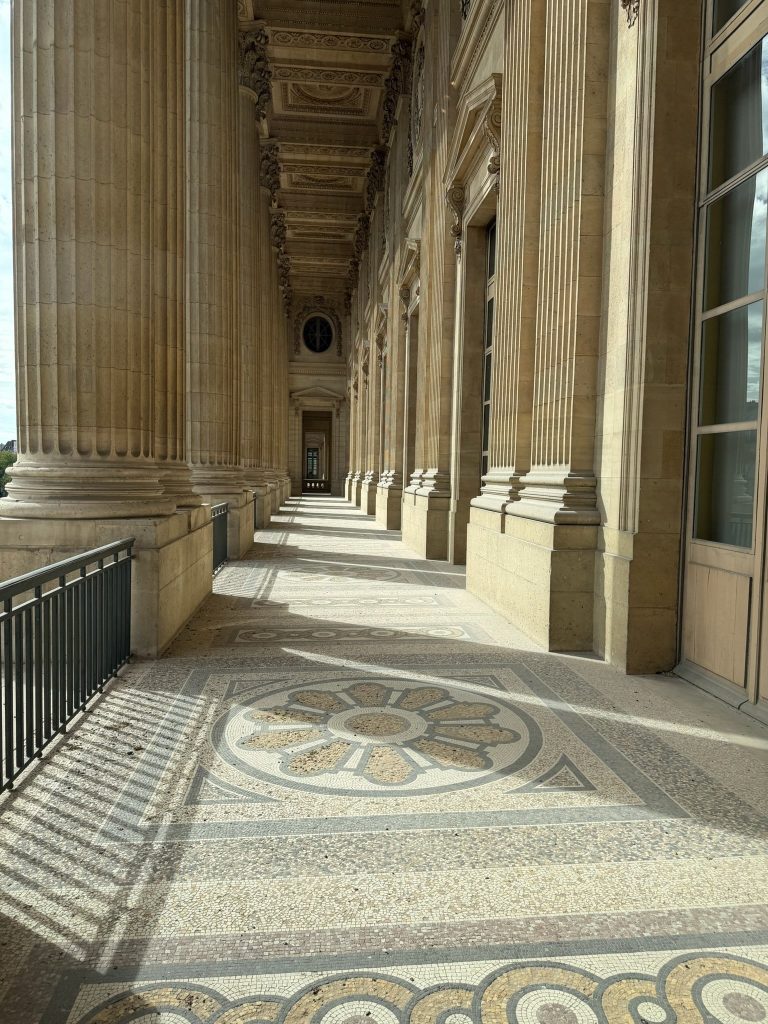
Once you're inside, that history starts making perfect sense. The scale of the building, the enormous galleries, the elaborate ceilings, and the architectural details remind you that you're walking through something much more significant than a building designed to display paintings.
Of course, the artwork is extraordinary. But the building itself deserves just as much attention. It's one of those places where you can find yourself looking at the ceiling almost as often as the exhibits.
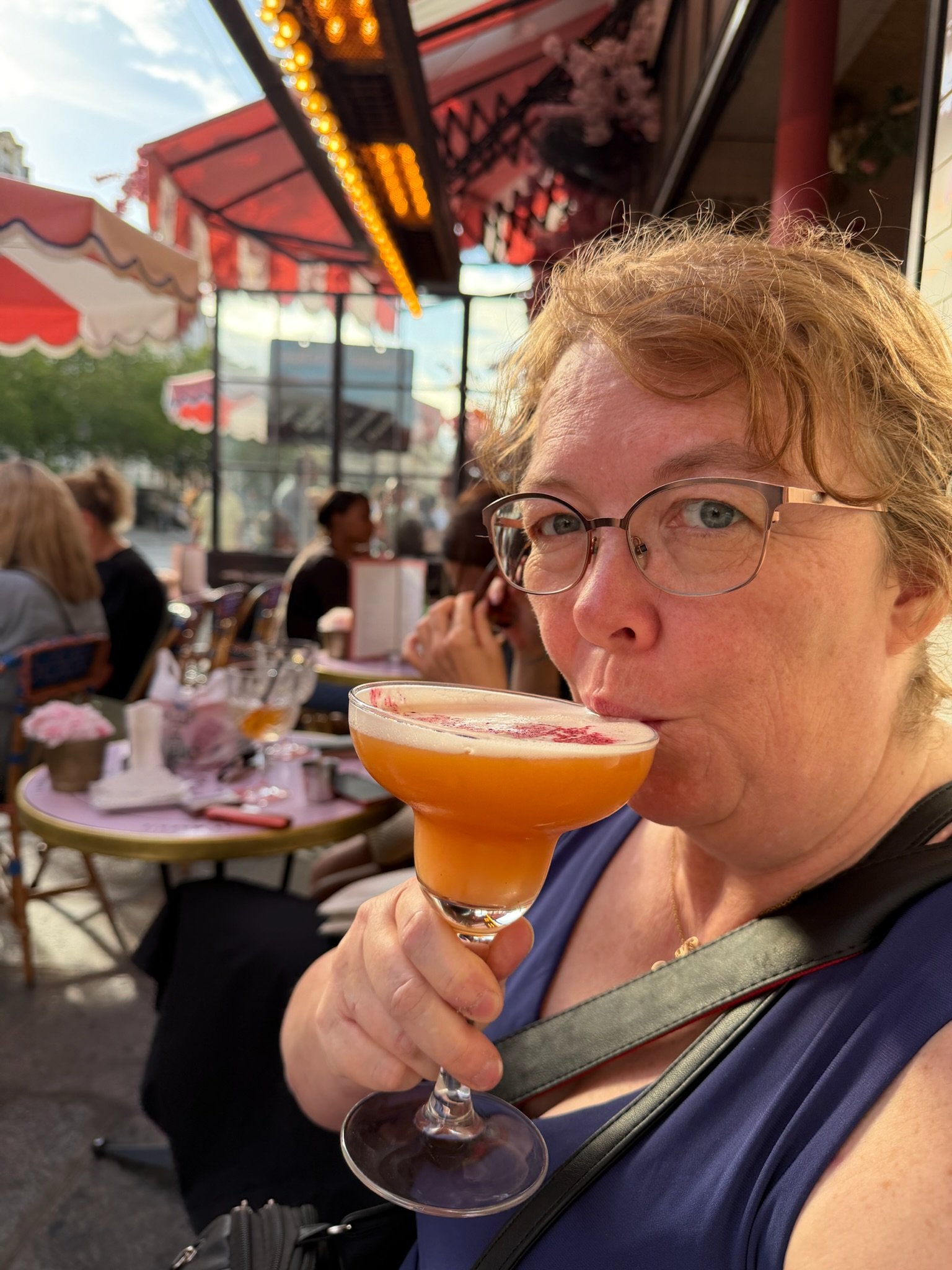
There's something wonderful about sitting outside a French café, enjoying a drink or a meal, and watching the world go by. It's one of those experiences that seems almost mandatory when visiting Paris.
But not every café is created equal, and there's a difference between enjoying French café culture and paying tourist prices for a carefully packaged imitation of it.
Here's one of my personal rules: if the menu looks like it came from the Cheesecake Factory, I start getting suspicious.
You know the kind of menu I'm talking about. Pages and pages of food, with everything from pizza and hamburgers to seafood, pasta, steaks, and a dozen supposedly traditional French dishes.
I'm not suggesting every restaurant with an extensive menu serves bad food. But when I'm traveling, especially somewhere with a culinary tradition as rich as France's, I'd rather find a smaller establishment that concentrates on doing a handful of dishes particularly well.
A shorter menu can be a good sign that the kitchen is focused on its specialties. It isn't a guarantee of quality, but it's something I look for.
Another thing I watch for is how aggressively a restaurant markets itself to tourists. Menus displayed outside aren't necessarily a problem; that's common in France. But when those menus are covered in international flags, advertised in half a dozen languages, and accompanied by someone trying to persuade passing tourists to come inside, I tend to keep walking.
Does that mean the food is terrible? Not necessarily. But it tells me who the restaurant is primarily trying to attract.
And if I'm visiting France, I want to experience French food and French atmosphere, not necessarily a restaurant designed to make every tourist feel like they never left home.
If I want the Cheesecake Factory, I know where to find one. I didn't cross the Atlantic for that.
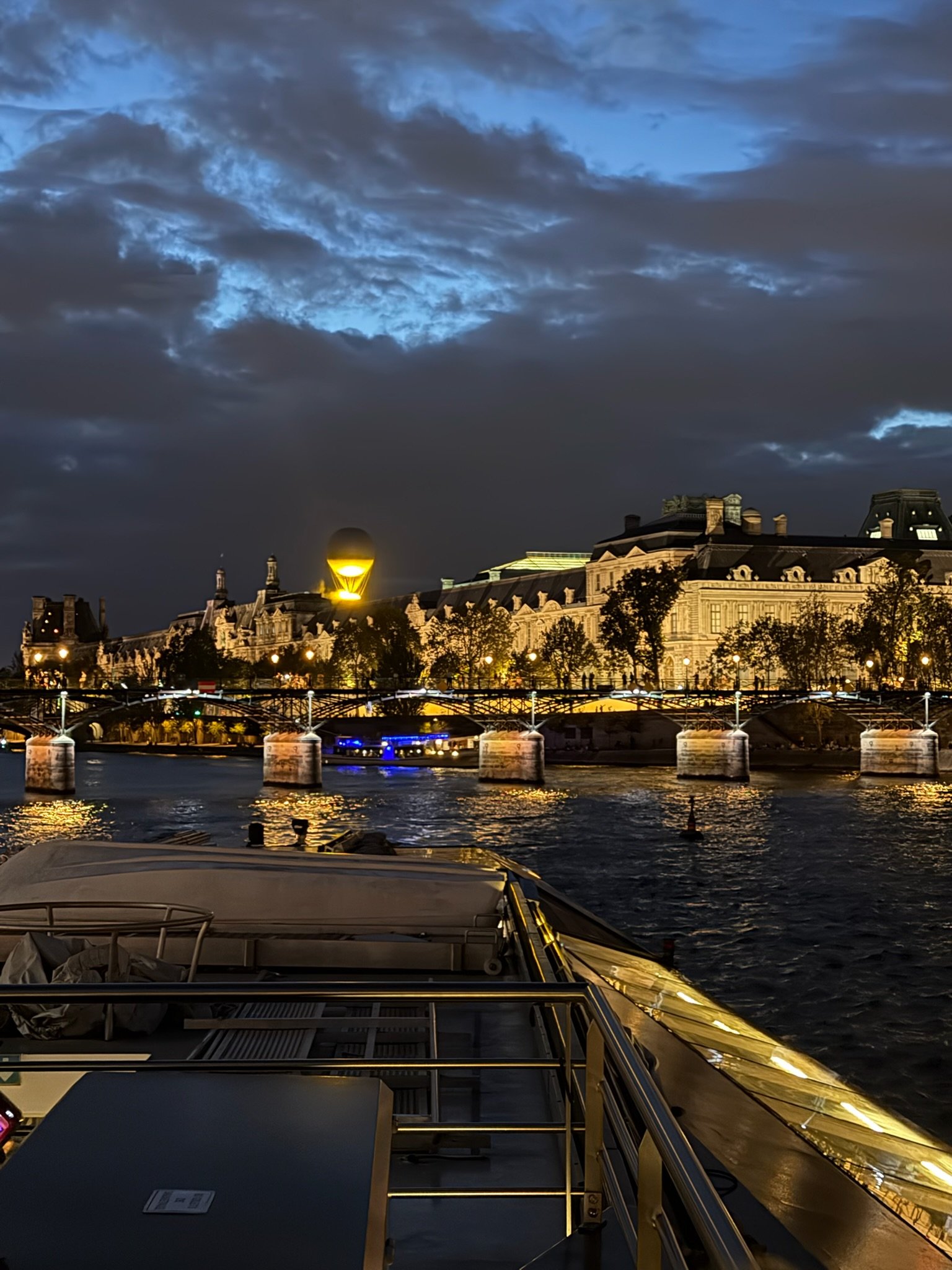
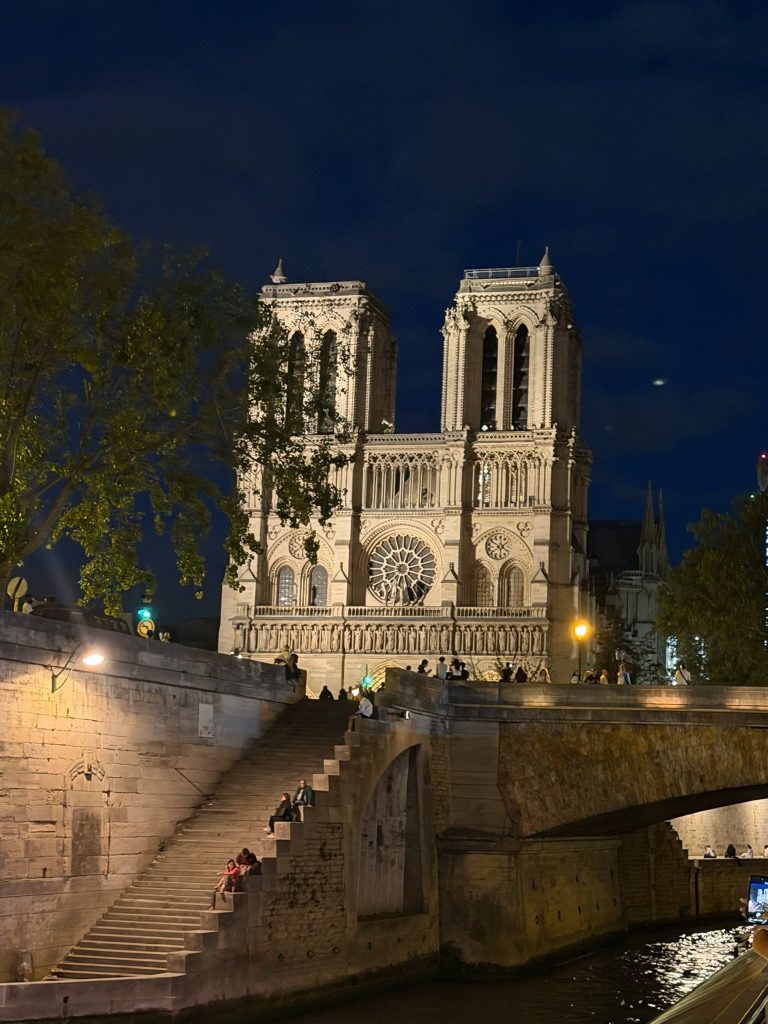
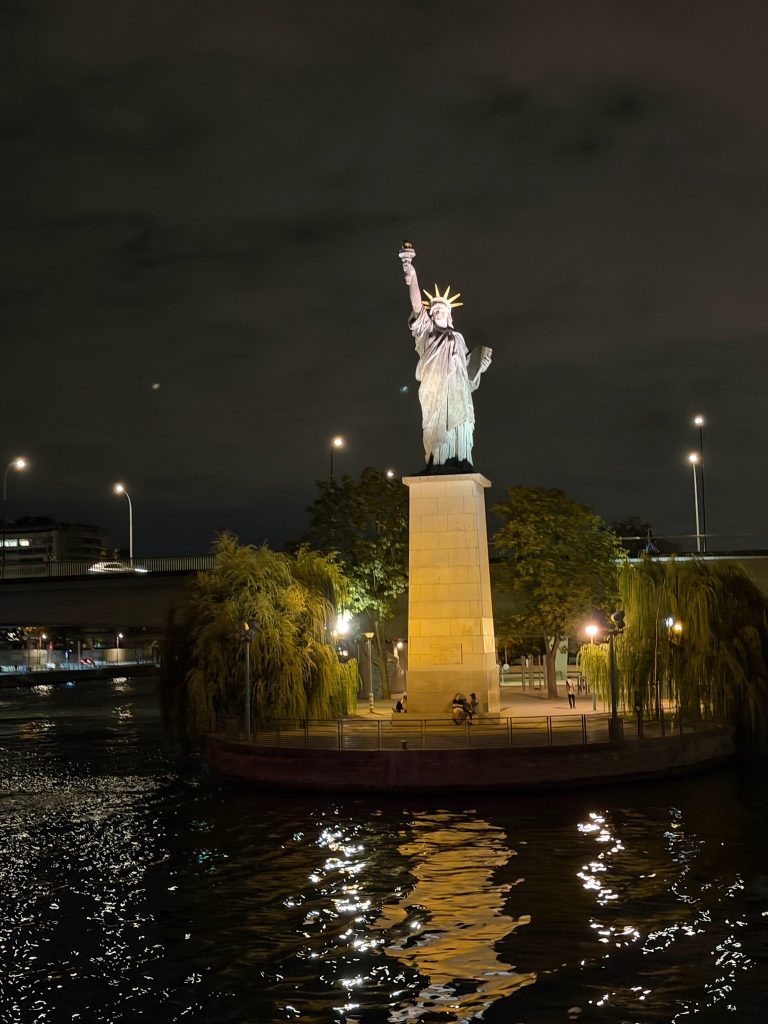
One experience I would absolutely recommend was our dinner cruise along the Seine. We sailed with Bateaux-Mouches. The meal was very good, and the experience of seeing Paris from the river at night was something special.
Paris takes on a different personality after dark. Buildings and bridges are illuminated, reflections dance across the water, and familiar landmarks seem almost theatrical when viewed from a passing boat.
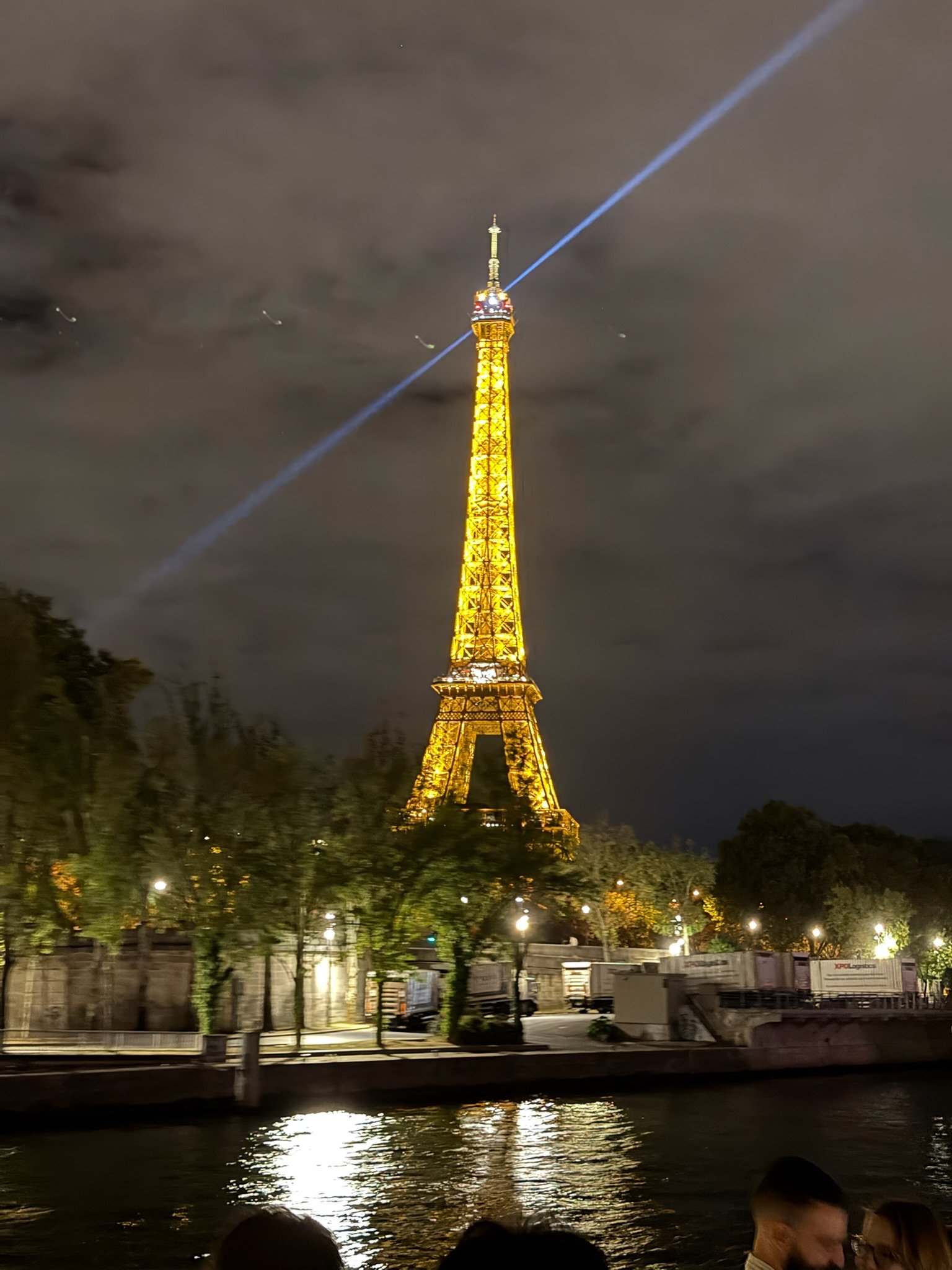
And then there's the Eiffel Tower. Most people know the tower is illuminated at night, but there's another lighting display that visitors can easily miss. Around the turn of the millennium, the tower was fitted with thousands of sparkling lights that create a brilliant, shimmering effect.
What I hadn't fully appreciated was that the sparkling display isn't continuous. It happens for about five minutes at the beginning of each hour after nightfall, rather than throughout the entire evening.
Teresa had visited Paris before, but somehow she'd missed seeing the tower sparkle on her earlier trips. This time, we were fortunate enough to catch it. And it was beautiful.
The tower was already glowing against the night sky, and then suddenly thousands of tiny lights began flashing across its entire structure. It's one of those moments when photographs are wonderful, but video does a much better job of capturing what you're actually seeing.
Sometimes the most memorable parts of a trip aren't the things you spent months planning. They're the moments when you happen to be in exactly the right place at exactly the right time.