After publishing our travel stories, I usually receive a handful of questions from friends, family, and readers. Some asked asked before the trip, when we tell folks where we are planning to go. Some arrive while the trip is happening. Others show up months later after someone stumbles across the articles while planning a trip of their own.
Rather than answering the same questions repeatedly, I thought I’d collect the most common ones here. Keep in mind that travel costs, requirements, and conditions can change over time, so always verify current information before booking your own adventure.
That said, these answers reflect our experience in South Africa and Zimbabwe during May of 2026.
How much did the trip cost?
This is easily the most common question.
The honest answer is: it depends.
Airfare, travel season, accommodations, upgrades, excursions, travel insurance, and the length of your stay can all dramatically affect the final price. The Hippo Lakes portion alone typically costs several thousand dollars per person for a multi-night stay, and international airfare can add significantly to the total.
In our case, we were fortunate enough to win the safari portion through a charity auction, which made the trip much more accessible than it otherwise might have been.
My advice? Decide what experience you want first, then build a budget around it. There are safari options ranging from surprisingly affordable to “I hope you brought a second mortgage.”
I will say this though, Hippo Lakes Lodge itself advertises rates that range from roughly $650 to $900 per person per night, depending on the tent category and occupancy. Most stays have a 5-night minimum.
Those prices appear to include:
- Luxury tent accommodations
- Meals
- Daily game drives
- Many of the standard (“Classic”) safari activities
What is often not included:
- International airfare
- Victoria Falls extensions
- Cape Town extensions
- Helicopter rides
- Some Big Five reserve drives
- Spa treatments
- Other à la carte excursions
What’s interesting is that compared to many luxury safari lodges in South Africa, that is actually on the lower end. Plenty of well-known private reserves charge $1,000–$2,000+ per person per night, and some of the ultra-luxury properties can exceed that.
Based on our experience, we would gladly stay there again.
Was it safe?
Yes.
At no point during our trip did Teresa or I feel unsafe.
Like any destination, there are areas where common sense applies. Listen to your guides, pay attention to local advice, keep track of your belongings, and avoid taking unnecessary risks.
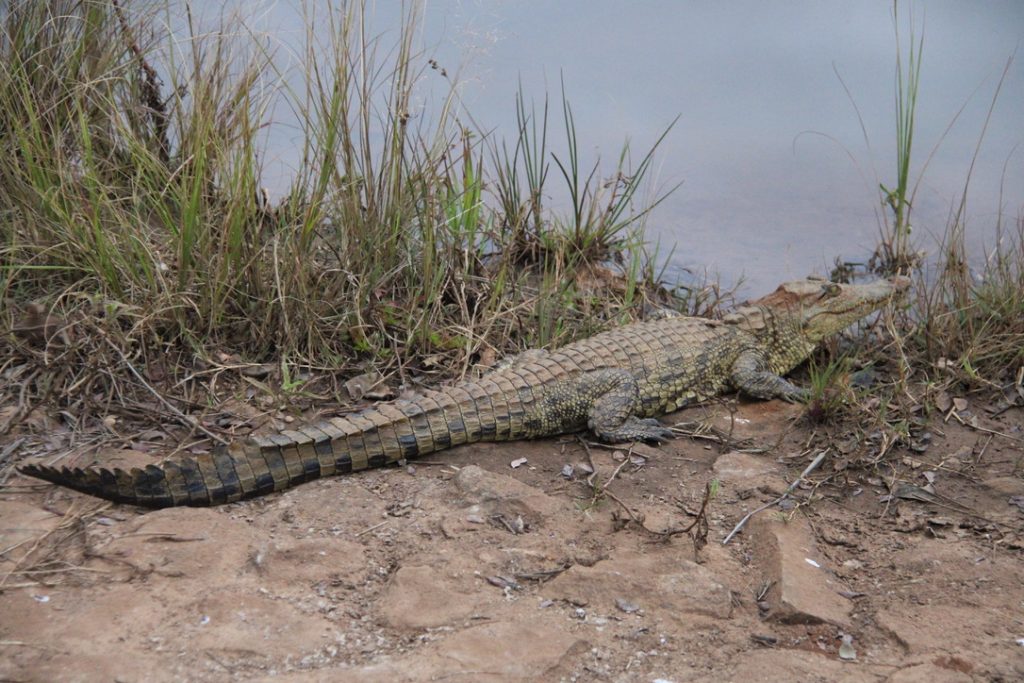
Ironically, the biggest safety concerns were not people. They were animals. When a guide tells you not to get out of the vehicle because there is a lion nearby, that is generally good advice.
Did you need to get vaccinations?
We consulted our physician several months before the trip and followed their recommendations. You can verify what might be required and what is recommended using several sites.
Vaccination requirements and recommendations vary depending on where you are traveling, your health history, and current public health guidance. What was appropriate for us may not be appropriate for you.
My strongest recommendation is simple: schedule a travel medicine consultation well before your departure date. The internet is useful; your doctor is better.
Did you need malaria medication?
For the areas we visited, this was a discussion we had with our physician before departure.
Recommendations can vary depending on the exact locations you visit, the season, and current health guidance. Talk with a travel medicine specialist (like Passport Health) and make your decision based on current medical advice rather than what some guy on a travel blog did.
Even if medication is not recommended, insect repellent remains your friend. Mosquitoes don’t care about your vacation plans.
What camera did you use?
Most of the photos from this trip were taken with an iPhone 17 Pro. We also carried a Canon EOS Rebel T7 DSLR camera, but modern phone cameras have become remarkably capable travel companions. The best camera is still the one you have with you when something amazing happens.
That said, if wildlife photography is your primary goal, a dedicated camera with a good zoom lens will give you options a phone simply cannot match.
How many photos did you take?
Far too many. Remember, we grew up in the days of film and processing costs. Now, not so much. Sure, it still costs to get print of various (poster sizes), if that is what want. But the days of being frugal with shots are LONG gone. Digital photography has removed the old limitations of film, which is wonderful right up until you have to sort through everything afterward.
By the end of the trip we had accumulated thousands of photos and videos.
Future me was not thrilled with present me sorting through, de-duplicating and comparing like photos to decide which ones to put here.
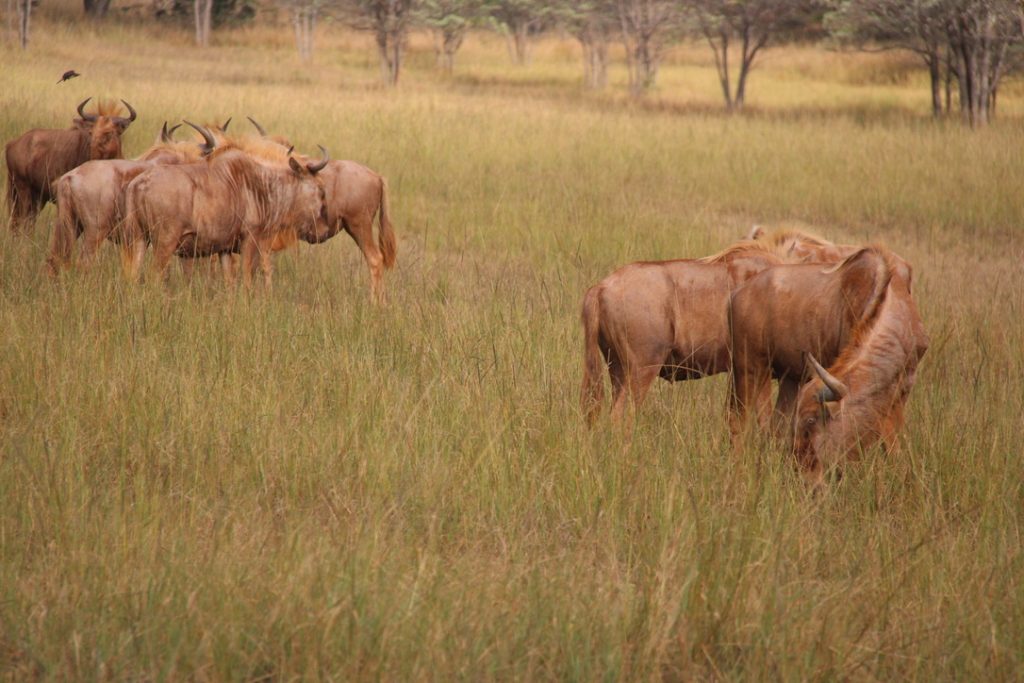
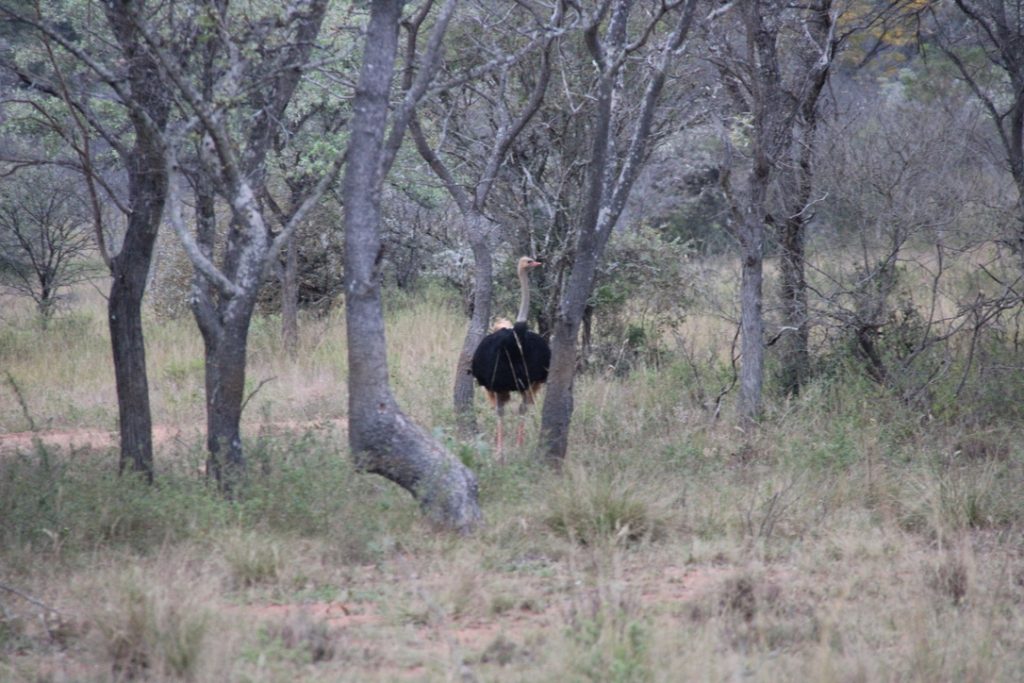
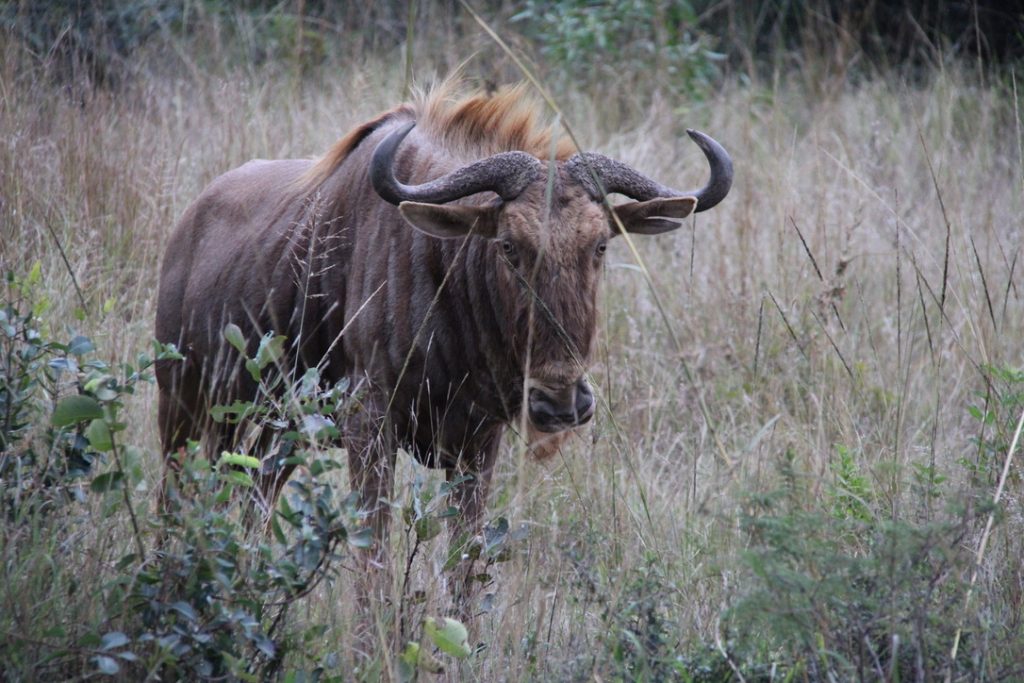
What was your favorite animal?
That is like asking a parent to choose a favorite child.
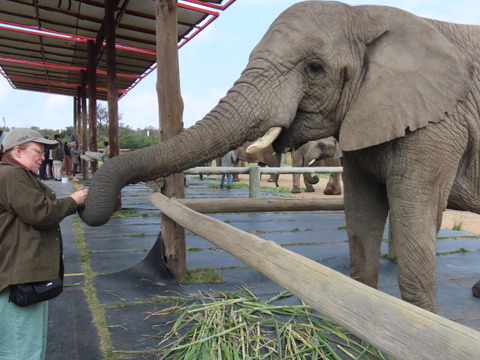
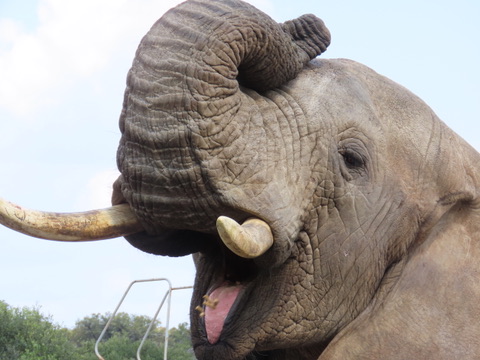
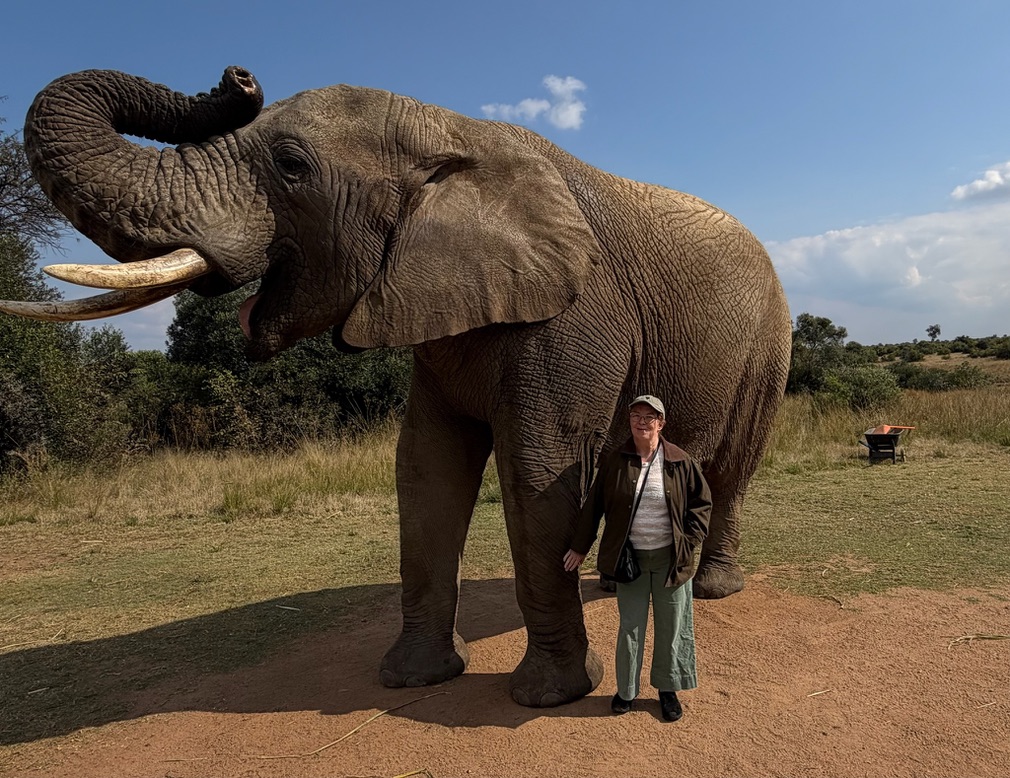
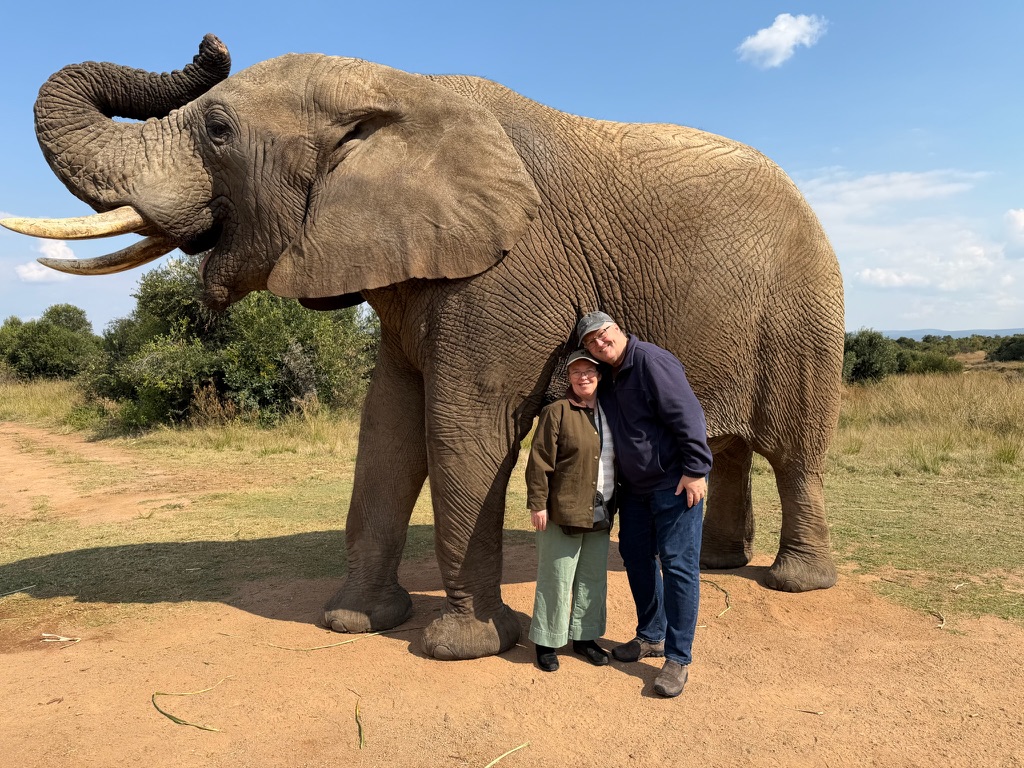
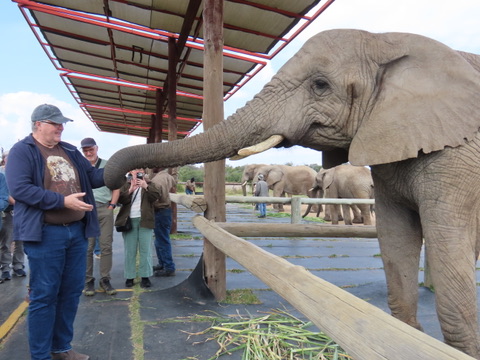
The elephants provided the most personal interaction.
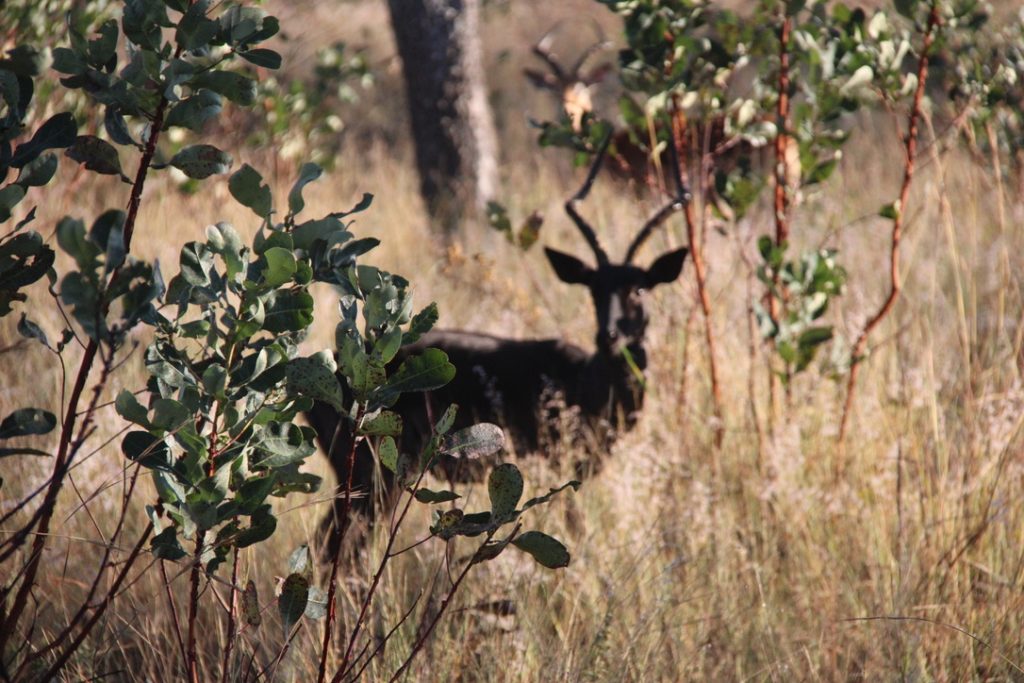
The lions were probably the most impressive predators.
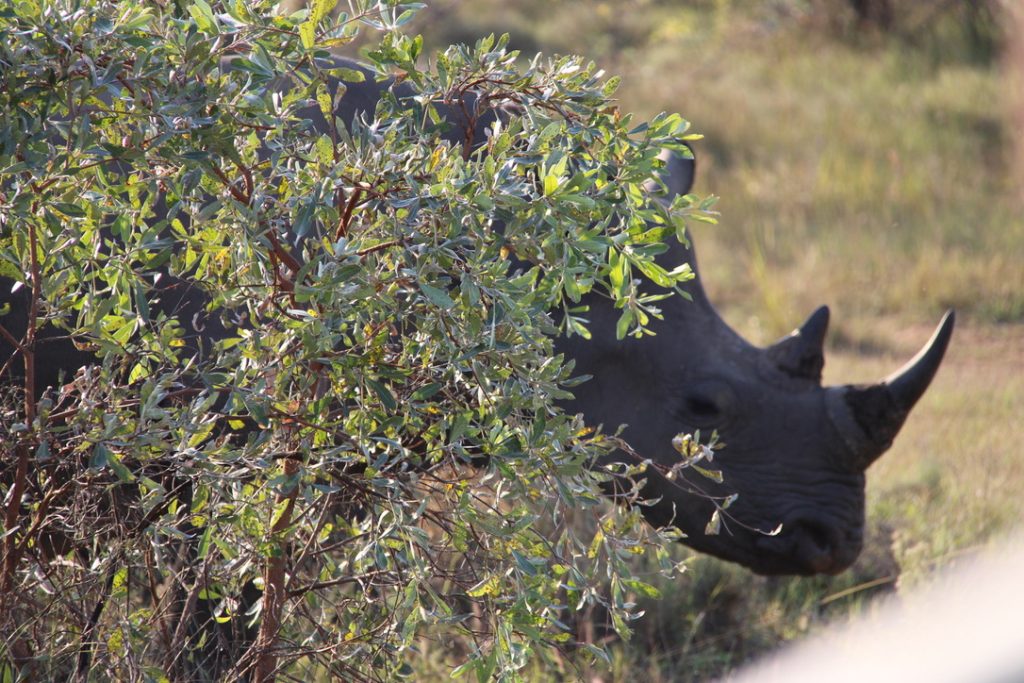
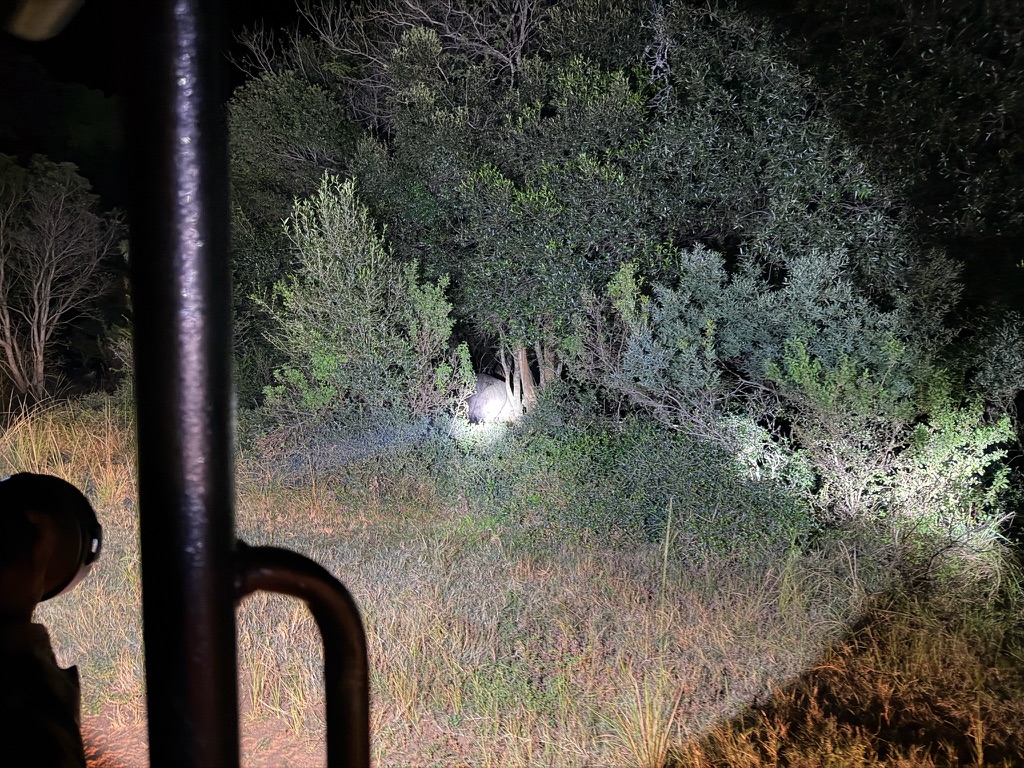
The rhinos carried some of the most powerful conservation stories.
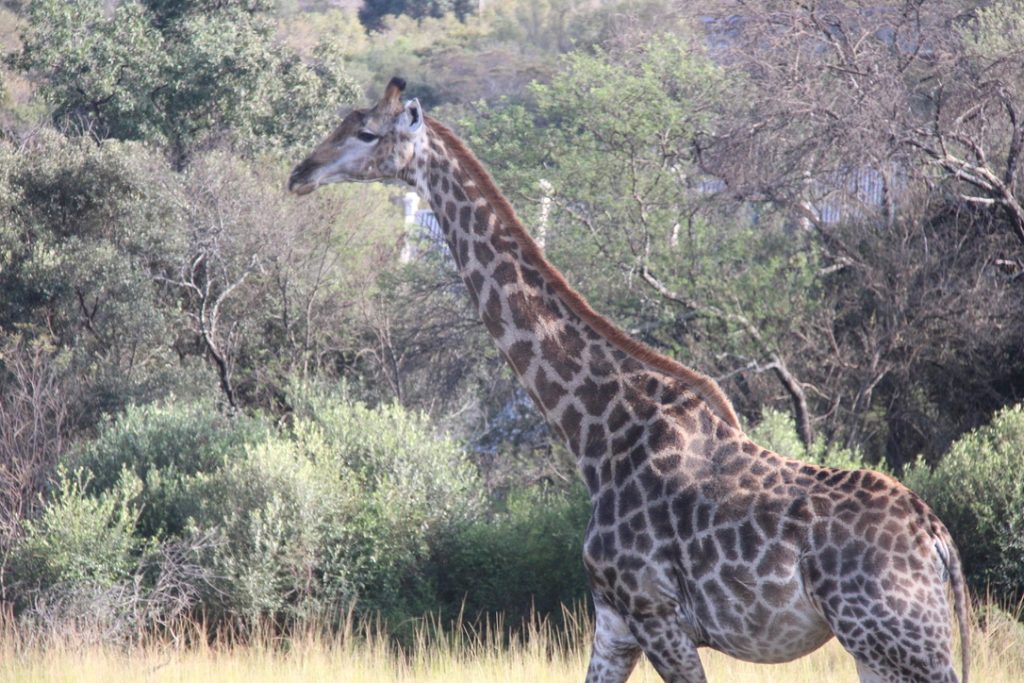
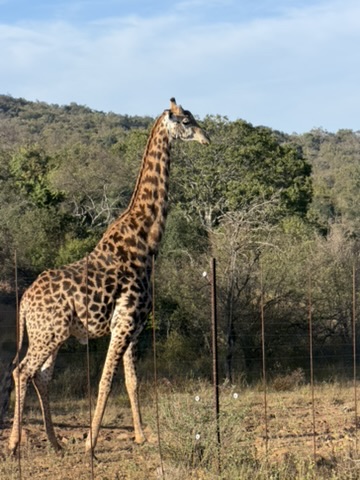
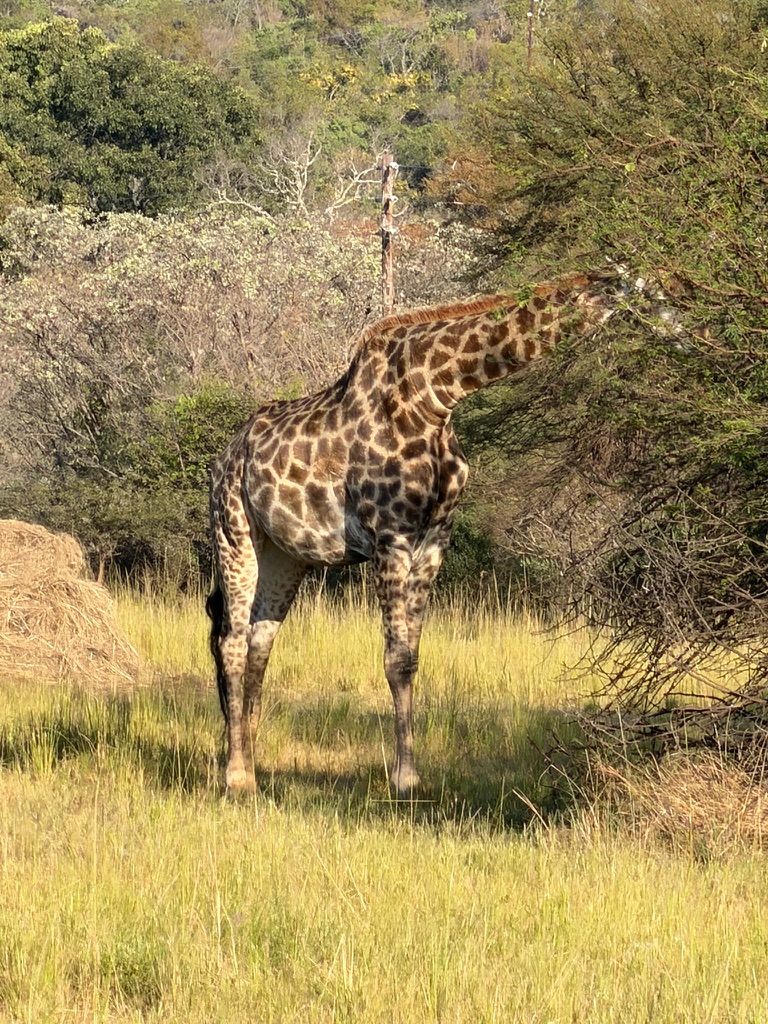
The giraffes were elegant.
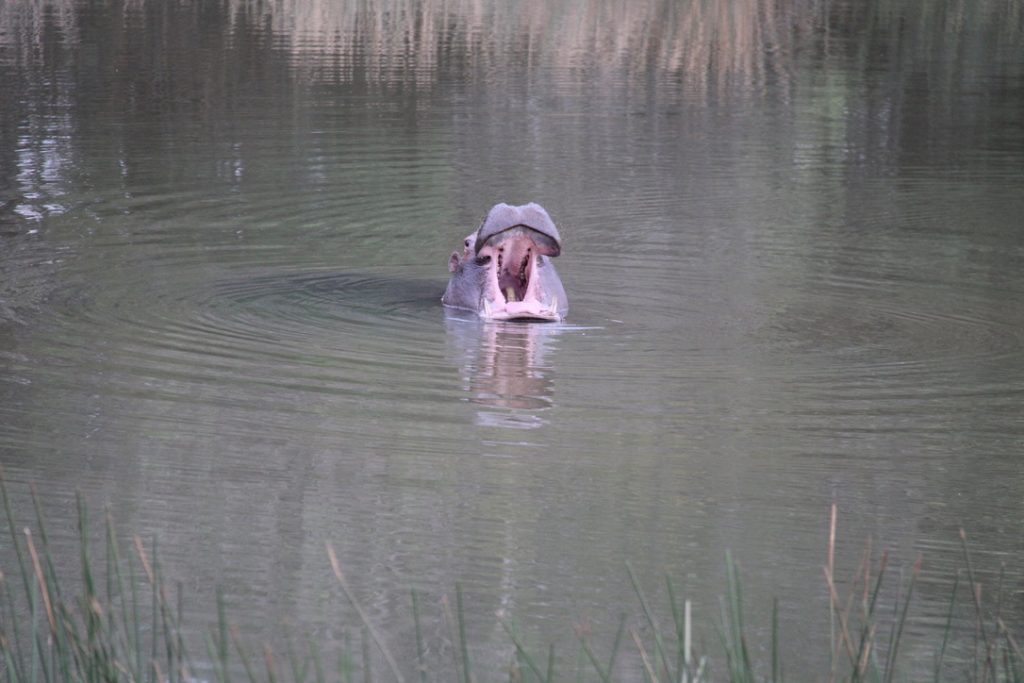
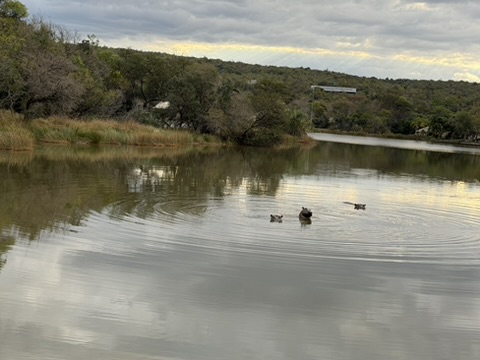
The hippos were far more dangerous than most people realize.
If forced to choose, I would probably say the elephants.
Ask me again next week and the answer may change.
What surprised you the most?
How much there was to learn.
I expected to see wildlife.
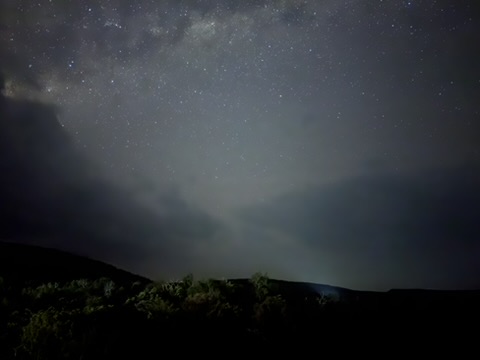
I did not expect to learn so much about conservation, habitat management, animal behavior, anti-poaching efforts, tracking, local culture, astronomy, and the interconnectedness of the entire ecosystem. The safari was far more educational than I anticipated.
Was the food good?
Very. In fact, it was better than many traditional hotels and resorts we have visited.
We enjoyed local dishes, international options, excellent breakfasts, memorable dinners, and more desserts than I probably needed.
And yes, I still think about that French toast with honey and spices.
Were the tents really tents?
Technically, yes. Functionally, no.
When most people hear the word tent, they imagine sleeping bags, campfires, and a frantic search for a clean restroom at three in the morning.
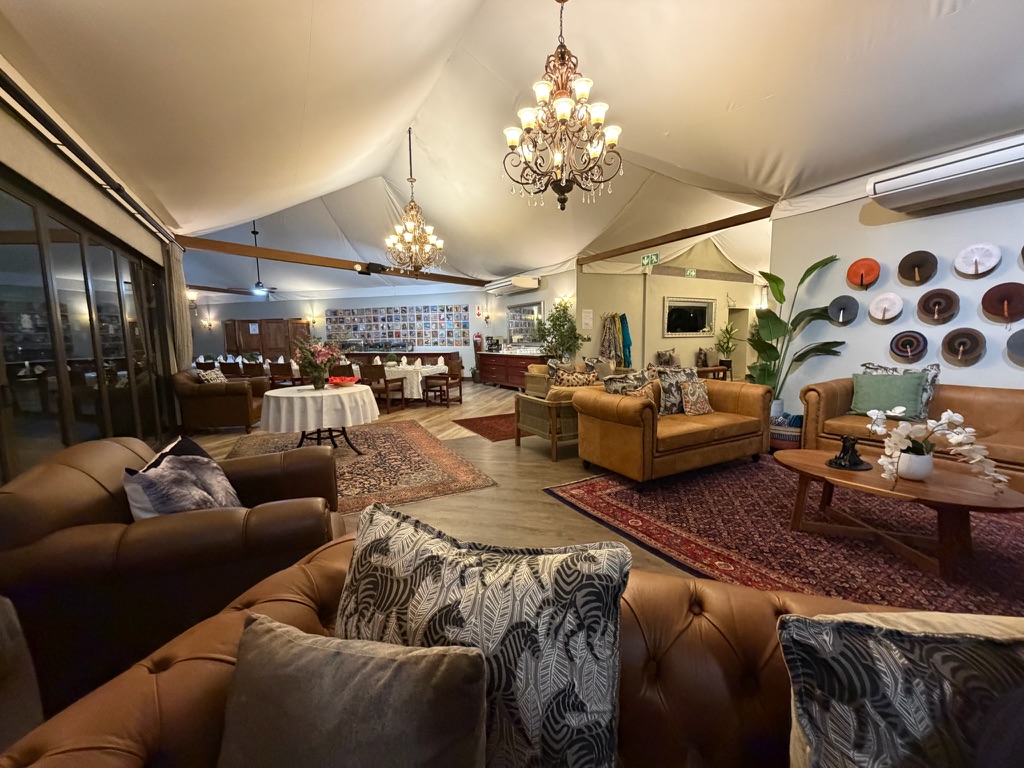
Our accommodations were closer to a luxury suite that happened to have canvas walls.
There was plumbing. There was electricity. There was heat (and air conditioning… remember, it was autumn for us there) and mattress warmers. There was a hot tub and a pool on our deck.
There was even Wi-Fi. Calling it a tent feels a little dishonest to actual campers.
Did you have internet or cell service?
Sometimes.
Most lodges offered Wi-Fi, although speeds varied.
Cell coverage was generally available near towns and populated areas, but could become spotty during game drives and in remote locations. Also, talk to your cell service provider before you go. I did not have to get a new or temporary E-SIM while I was there; my provider just partnered with theirs for a small daily fee.
Though, honestly, my recommendation is to enjoy the temporary disconnection.
The emails will still be there when you get home.
What should I pack?
This too is a loaded question. Check the weather for that time you are traveling. If you are going in January, remember that you will be lugging your winter coat and hats in Africa in the middle of summer. In May, when we went, it was late fall. So…
Comfortable clothing.
A hat.
Sunscreen.
Insect repellent.
A light jacket for early morning drives.
Extra camera batteries and/or a power bank.
More memory cards than you think you’ll need.
And if you’re traveling with a spouse who likes souvenirs, leave room in your luggage.
Trust me on this one, though we brought back less this time than we did on our trip to Japan.
What was your favorite part of the trip?
Honestly?
The people, for me. Teresa will say the animals.
The wildlife was incredible. The scenery was beautiful. The accommodations were memorable.
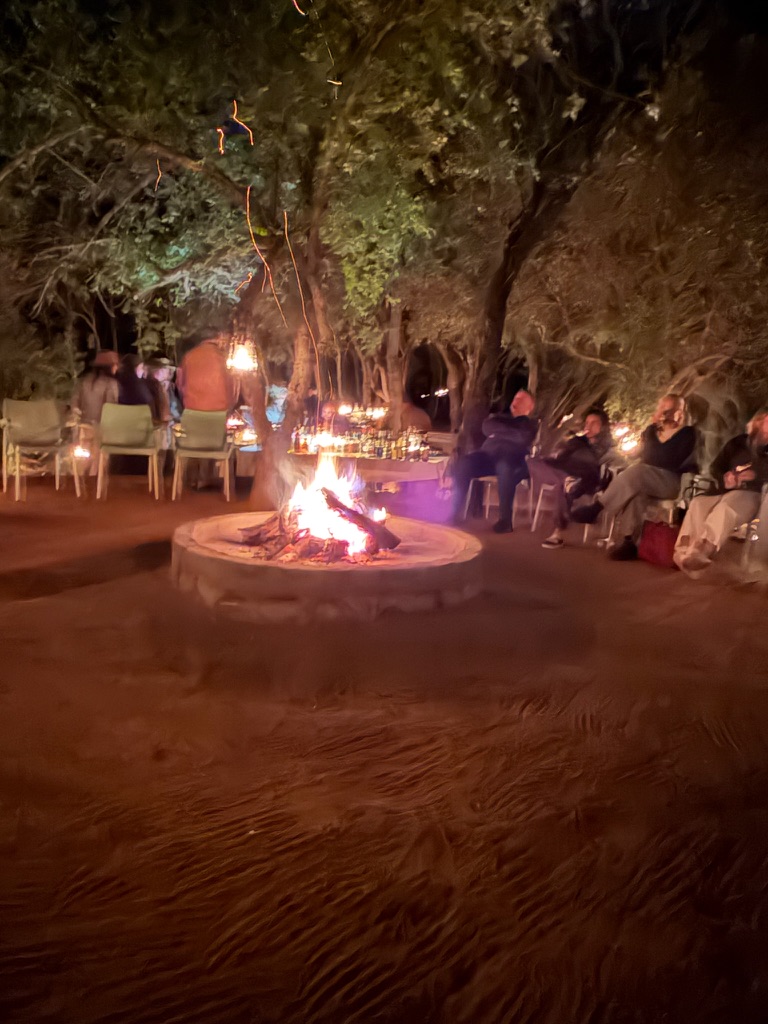
But what stays with me most are the conversations around the fire, the guides who shared their knowledge, the staff who made us feel welcome, and the fellow travelers who started the week as strangers and ended it as friends.
Travel is often marketed as a way to see new places, new perspectives, and learning.
I think its greatest value is helping us meet new people.
Would you do it again?
Absolutely. The challenge is that there is still so much of the world left to see. It is a little hard to explain. We try not to go to the same places twice. And there are still places in Africa I would love to visit, animals I would like to photograph, people I would like to meet, and stories I have yet to hear.
Still, if we went again, I suspect the elephants would remember me.
And after everything I learned about their memory, I’m not entirely sure that’s a joke.

0 Comments